Here Lived
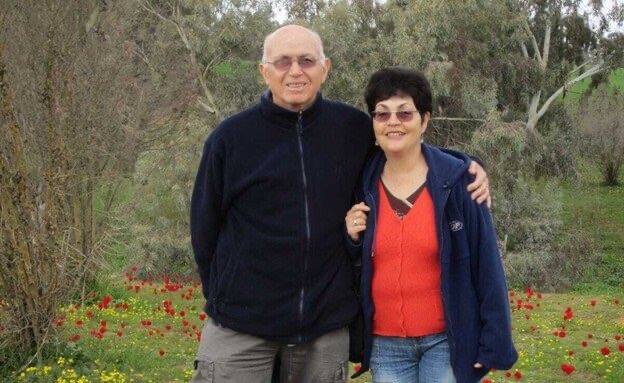
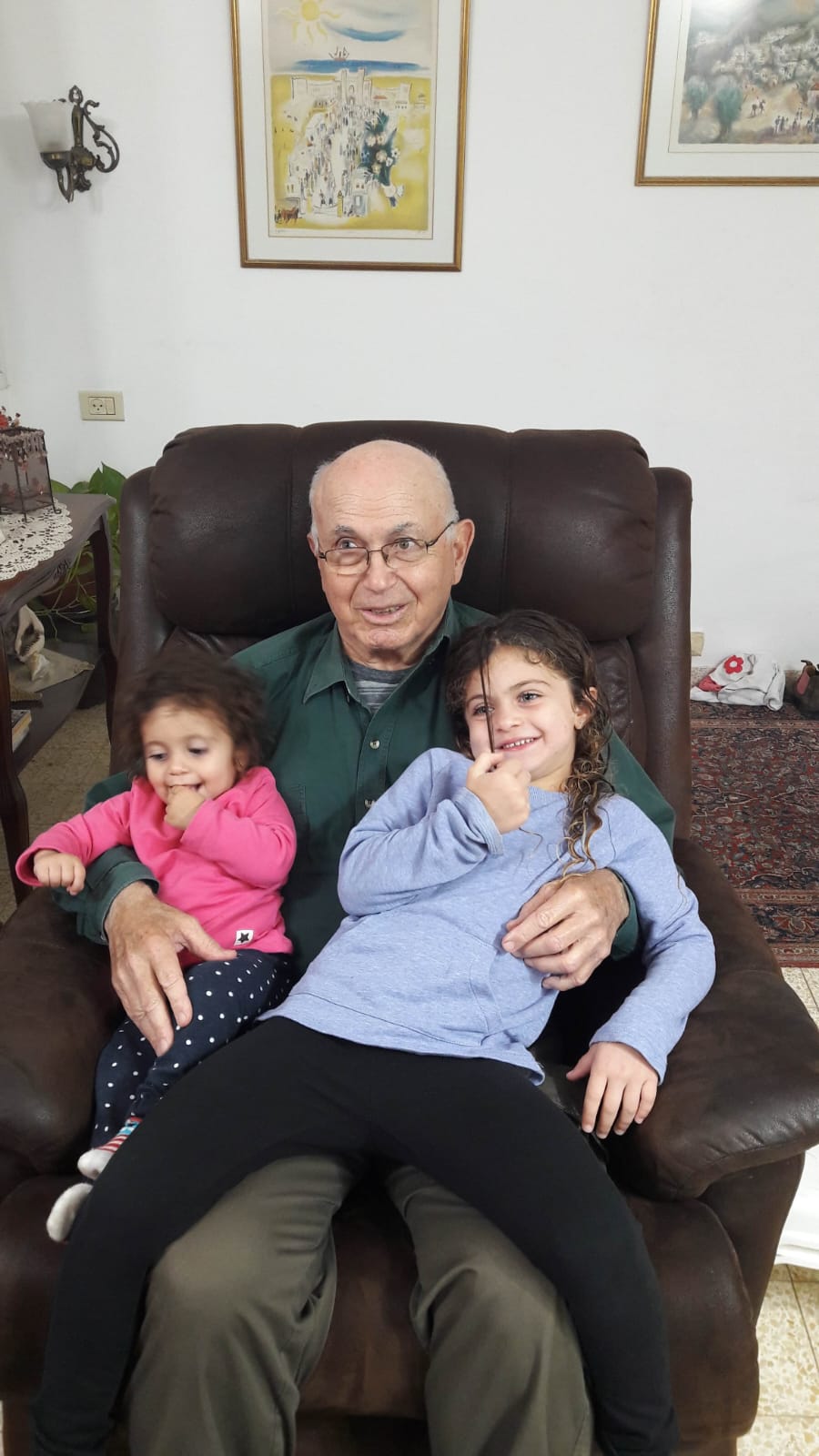
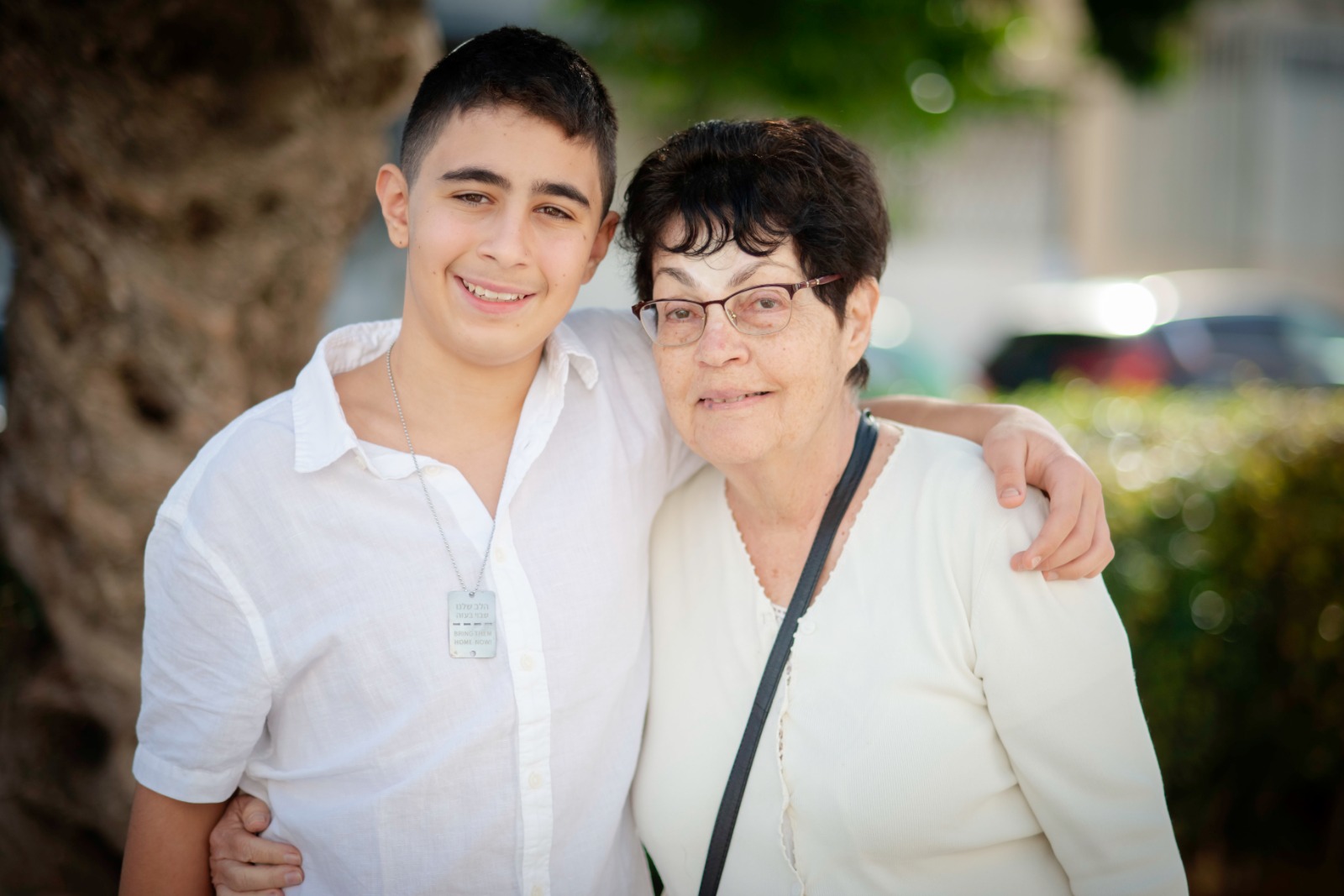
Nurit (79) and Amiram (85) Cooper were among the founders of Kibbutz Nir Oz. Their story is one of love, vision, and an unwavering devotion to their community and family. For more than sixty years, they lived in Nir Oz, which wasn’t just their home, but also their life’s mission and purpose. Together they built a family to be proud of and delighted in spending time with their children and grandchildren – riding around on their mobility scooter, enjoying the swimming pool, walking through the kibbutz fields, and visiting the community vegetable garden.
Amiram was a man of vision and creativity – a writer, composer, and publisher of three poetry books that expressed his love for nature, agriculture, and kibbutz life. He served in key roles within the kibbutz and within the region, such as kibbutz manager, manager of the Nir Lat Factory, and financial director of the communities in the Ma’on Region. Nurit dedicated her talents first to education and later to bookkeeping in the kibbutz factory.
October 7
On October 7, 2023, during the deadly surprise attack on Israel, Nurit and Amiram were brutally kidnapped from their home while hiding in their safe room. They were taken into the Hamas tunnels in Khan Younis, only a short distance from their home.
What Happened Since
After 17 days in captivity, Nurit was released and managed to provide proof of life from Amiram and other kidnapped members of the community.
Amiram survived under inhumane conditions in the tunnels for four months. However, on June 3, 2024, the IDF informed his family that he had been killed in captivity and that his body was being held by the terrorist organization.
After 755 days, on October 30, 2025, Cooper was returned to Israel, becoming the last hostage from Nir Oz to be brought home from captivity. He was laid to rest in the soil of the kibbutz he helped establish and to which he devoted his life.
The story of Nurit and Amiram Cooper stands as a living testament to the power of values, such as love, belonging, and service to the community. It also reflects the magnitude of the tragedy that befell the residents of southern Israel. Their legacy will remain forever in the heart of the kibbutz and in the memory of all who knew them, as we hope for a future of peace and security.